Erasmus+ Teacher training course titled “Soft skills and emotional intelligence for teachers and education staff”
27/05/2026
SOFT SKILLS AND EMOTIONAL INTELLIGENCE FOR TEACHERS AND EDUCATION STAFF
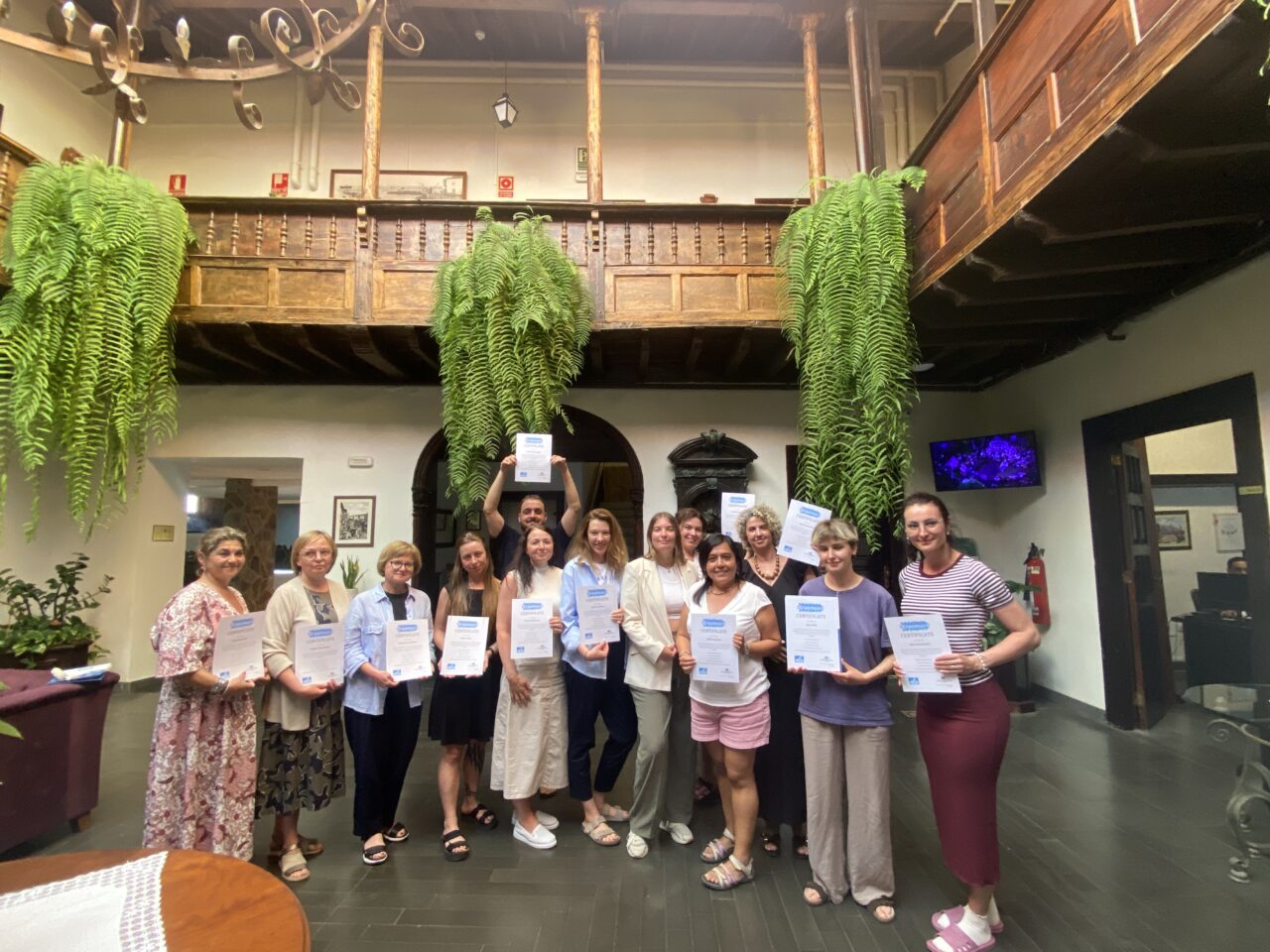
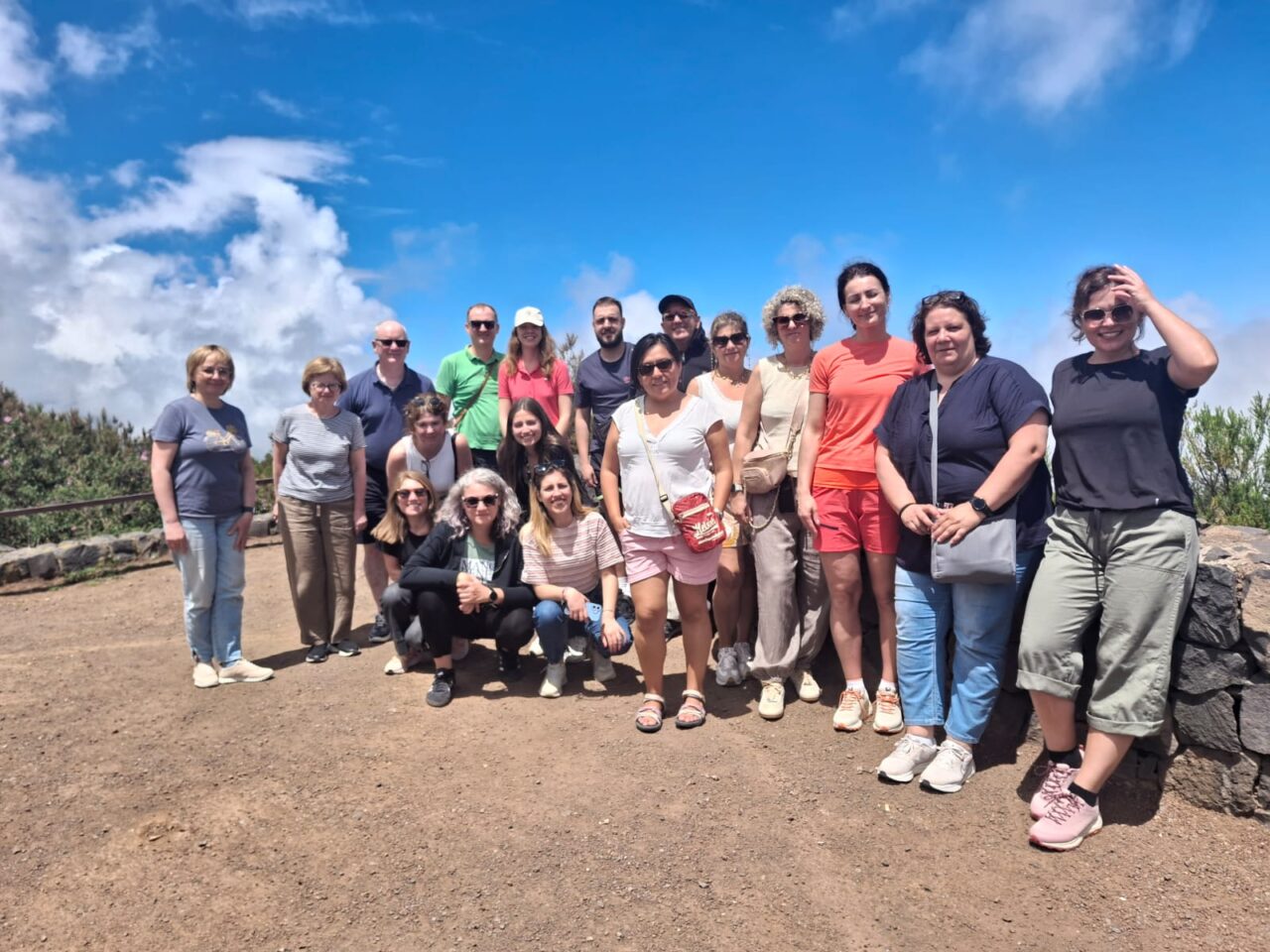
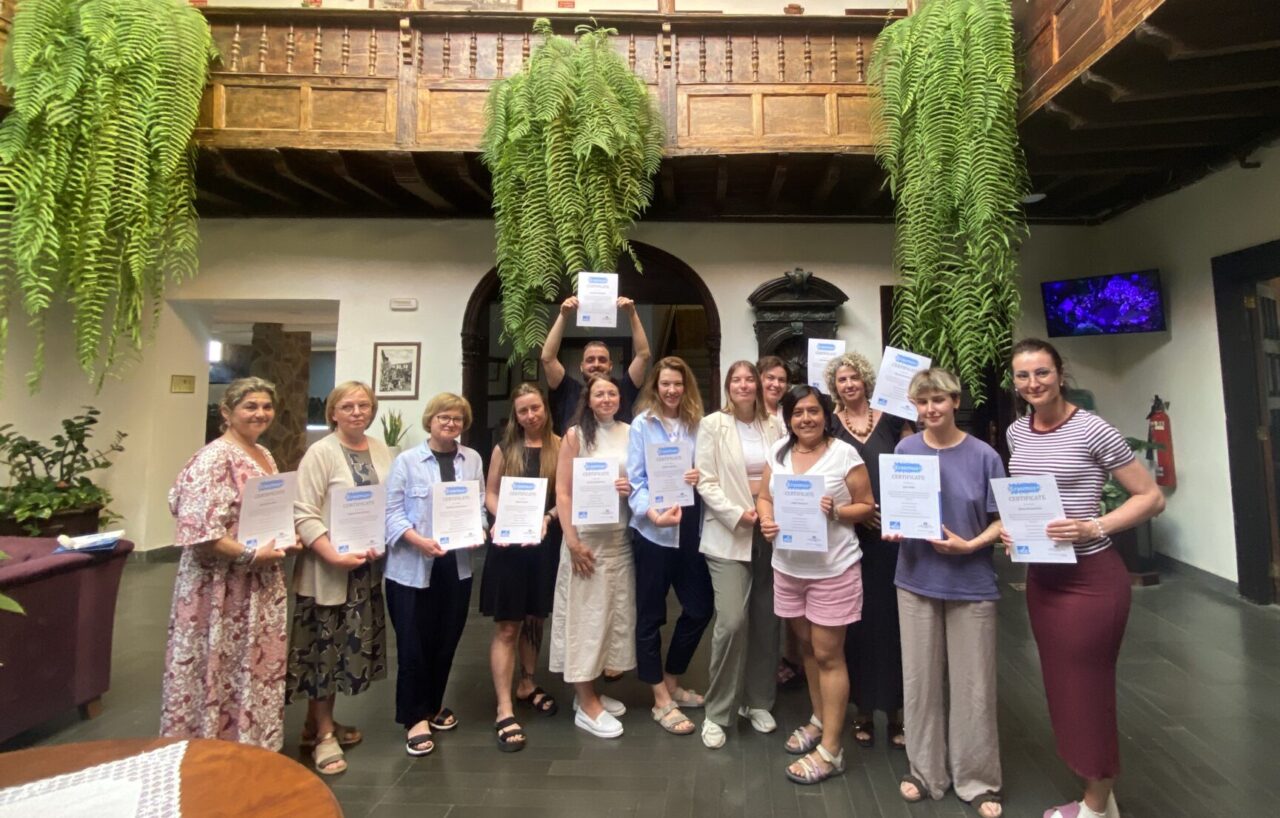
This year, from May 3–9, we took part in a learning mobility program in Puerto de la Cruz (Tenerife, Spain) as part of the Erasmus+ project implemented by state institutions, “Transformation of the Teacher’s Role in a Rapidly Changing World” (KA122-ADU). The training sessions we attended were intended for education professionals from various European countries, and their aim was to develop social (“soft”) skills and emotional intelligence. The participants from VIKC were German language program coordinator Ramunė Sarnickienė and German language lecturer Regina Mačiuitienė.
Today, no one doubts the importance of social skills. This is especially relevant in the field of education, where skills that define relationships with other people — such as communication, language, personal habits, interpersonal abilities, teamwork, leadership, and similar competencies — often determine the success of the educational process. These skills are more difficult to assess or measure numerically, but it is clear that every education professional who is able to manage a classroom, organize teamwork, respond empathetically, and resolve conflicts constructively can achieve educational goals more quickly and effectively, create a better working atmosphere within their team, and more consciously take care of their own emotional well-being.
The program was organized by the ELA Erasmus Learning Academy: the Erasmus+ teacher training provider, which gave all participants the opportunity not only to deepen their knowledge but also to become acquainted with the local culture, visit famous sites in Tenerife, and establish connections with colleagues from other European countries. The courses were led by the excellent lecturer Mariia Honcharuk, who not only enriched all participants with knowledge but also involved us in numerous practical and creative tasks, creating an atmosphere of trust and openness. Through her charismatic approach, she served as an excellent example of how mastering social skills can inspire students and unite colleagues for new challenges. We believe that the competencies gained will also be valuable in our everyday professional activities. In the autumn, we plan to organize a seminar for VIKC colleagues and share the knowledge we acquired.