Erasmus+ Teacher training course titled “Mindfulness Skills: Well-Being at School and Life”
30/04/2026
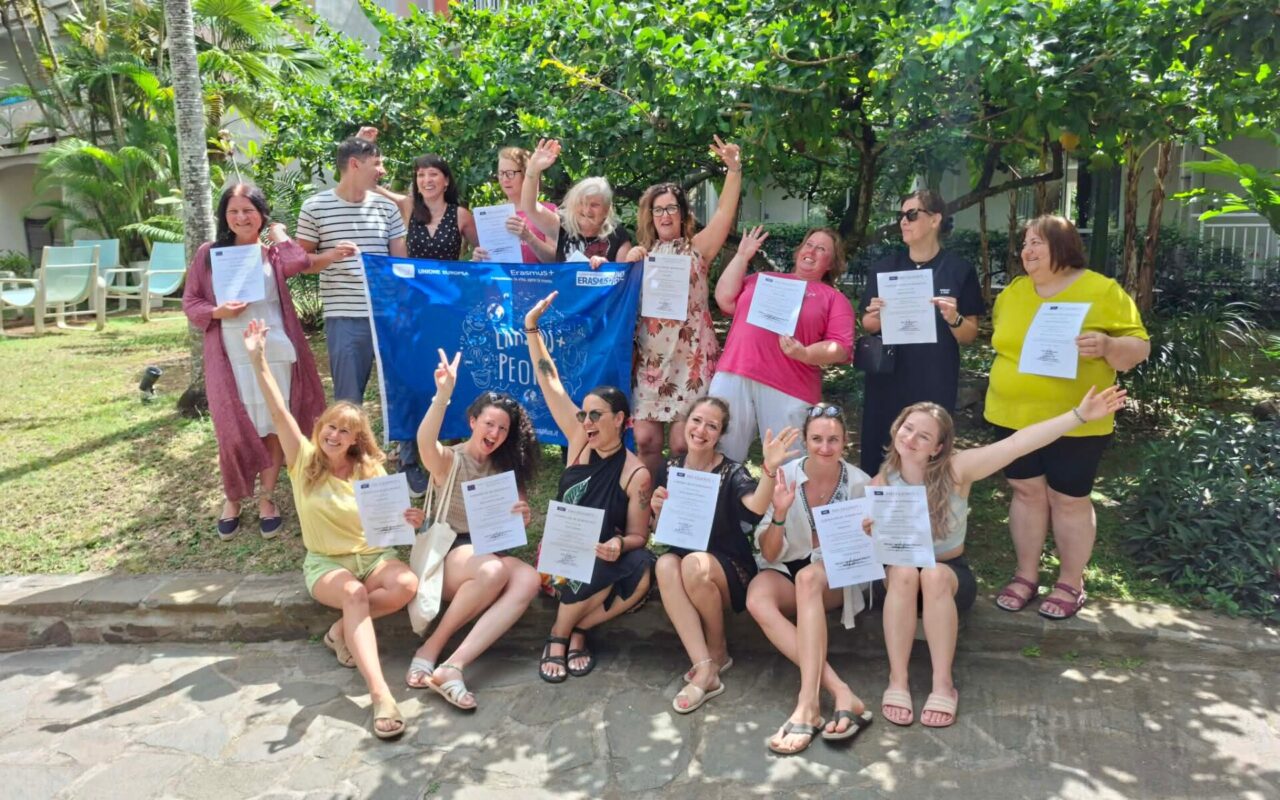

On April 5–11 of this year, two employees of the Public Service Language Centre, Audronė Auškelienė and Daiva Stasiulionienė, took part in a participant mobility activity of the Erasmus+ project “Transformation of the Teacher’s Role in a Rapidly Changing World” (2025-1-LT01-KA122-ADU-000327204), titled “Mindfulness Skills: Well-Being at School and Life,” held in Martinique, France.
In justifying the learning mobility project, we emphasized that today’s teaching professionals face new demands that require additional knowledge and competencies, as well as present significant challenges: how to teach war refugees who have experienced psychological trauma, how to work with migrants from diverse cultural backgrounds, how to help them learn languages more effectively and become familiar with Lithuanian culture, and ultimately, how to teach Lithuanian citizens in a time when the world is so unsettled and political and social circumstances cause considerable anxiety. Teachers are required to take on new roles and responsibilities, which raises the question of how they themselves can avoid burnout, maintain balance, and manage their emotions.
These were precisely the topics we explored in Martinique through theoretical sessions and practical activities that illustrated them. We learned how to prevent stressful situations at work, how to respond to stress while taking care of oneself, how to deal with intrusive and anxiety-inducing thoughts that are not always grounded, how our brains function, how to focus attention, be mindful of ourselves and others, understand our actions, and respond thoughtfully and wisely to various circumstances (not only pleasant ones). We also explored how to support ourselves through mindfulness practices—being present in the here and now—through meditation and proper breathing techniques. We discussed and practiced these both in the classroom and in the magnificent tropical rainforests, experiencing firsthand how effective they can be.
We returned with a strong intention to share these best practices with our colleagues and students.